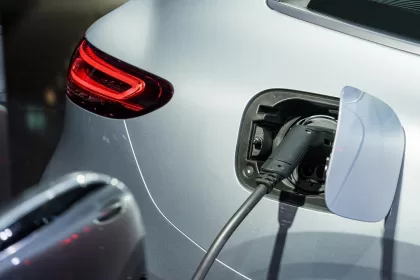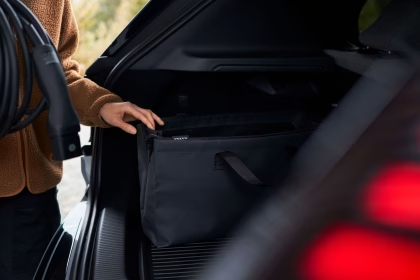




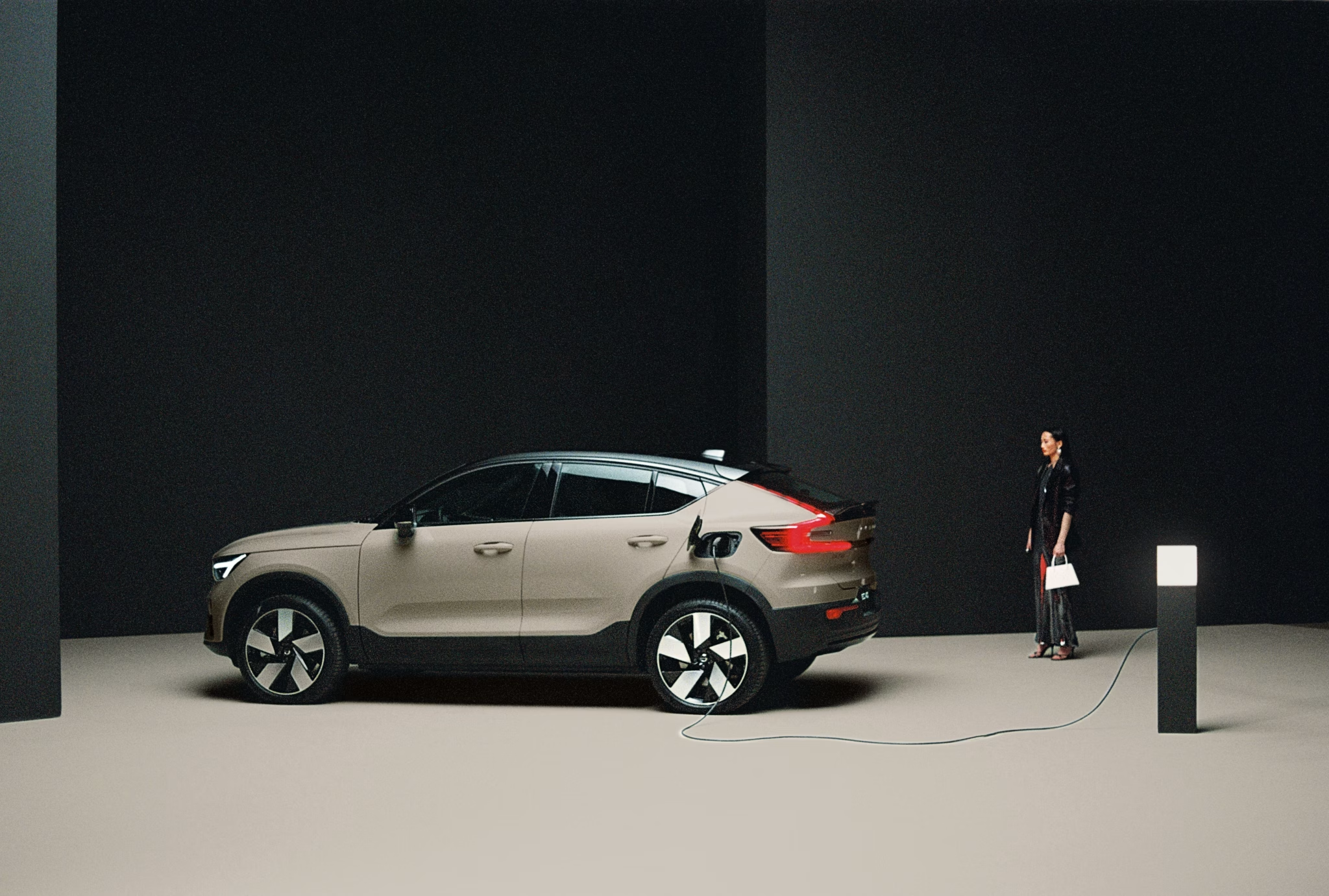

With inland 95 petrol holding firm above R30 a litre following the Department of Mineral and Petroleum Resources’ November adjustment, South Africa’s motorists are turning to an unexpected sanctuary from fuel price volatility: their own roofs. In suburban garages and corporate driveways across the country, a quiet revolution is redefining premium motoring, as forward-thinking car buyers pair electric mobility with over 8,200MW of private rooftop solar capacity, turning routine parking into a seamless, home-powered energy strategy and everyday luxury.
Rather than viewing local energy constraints as a permanent barrier to adoption, automotive experts emphasise that modern electric vehicles and plug-in hybrid electric vehicles naturally complement South Africa’s growing private energy ecosystem.
For many South African consumers, the greatest psychological hurdle to EV adoption has centred on a simple question: If the national grid faces well-documented pressures, does owning an electric vehicle make practical sense?
According to Vusi Machie, Product and Pricing Manager at Volvo Car SA, the solution lies in fundamentally shifting how drivers perceive energy replenishment. “Charging works best when it happens where the car already spends its time. If you can plug in at home or at work, charging happens while you sleep or work, much like your phone. It is closer to parking with electricity than to refuelling,” says Machie.
This mindset aligns closely with impressive market indicators. Figures released by naamsa, the Automotive Business Council, highlight a remarkable surge in local New Energy Vehicle adoption, with 22,389 units recorded between January and September 2026, surpassing total figures from previous years and signalling an unstoppable consumer shift. Crucially, plug-in hybrids and fully electric vehicles account for over half of these sales, proving that buyers are actively seeking versatile electrified solutions.
Driving this consumer confidence is South Africa’s rapid private energy evolution. Estimates from the National Transmission Company South Africa indicate that behind-the-meter rooftop solar capacity reached an impressive 8,294MW by mid-2026. For homeowners utilising rooftop solar and household battery storage, daily commuting is increasingly powered by self-generated, clean energy. This integration turns daylight parking into an opportunity to harvest and store energy for evening commutes, bridging the gap between home power solutions and personal transport.
As South Africa’s automotive landscape matures, smart vehicle ownership is no longer about simply chasing trends; it is about making informed, practical choices that blend luxury, uncompromising safety, and sustainable energy independence.
For the modern South African motorist, the transition to electric mobility is not a distant future concept; it is happening right in the garage, one smart charge at a time.