




- Significant investment in local parts infrastructure, a 97–98% parts fill rate in 2026 and positive independent dealer feedback reinforce Jetour’s aftersales commitment.
Parts shortages and extended waiting periods across the automotive sector in South Africa have often put aftersales issues into the spotlight. Jetour South Africa says its approach to parts supply was established well before the brand officially entered the local market in 2024, with substantial investment in infrastructure, stockholding and distribution to ensure that customers and dealers would be supported from day one.

“While we recognise that the automotive industry is evolving rapidly, and that there are broader conversations taking place around parts availability, it is important that brands are assessed on their own merits and performance, rather than grouped together simply because they share a country of origin,” says Head of Marketing for Jetour South Africa, Shaun Steynberg.
According to dealer management software Automatrix, average repair turnaround times among automotive brands in South Africa range from 22 to 48 days, with Jetour recording an average of just 28 days. This positions Jetour towards the faster end of the range and the leading Chinese automotive brand on this particular metric. Together with its 97–98% parts fill rate in 2026 and positive independent dealer feedback in the National Automobile Dealers’ Association (NADA) Dealer Satisfaction Index, this demonstrates the brand’s ongoing investment in parts supply, aftersales support and building long-term customer confidence.
The 2026 NADA Dealer Satisfaction Index, which measures franchised dealers’ experiences across various aspects of their manufacturer and importer relationships, recorded positive findings for Jetour’s parts availability and delivery performance.
According to the index, 95.5% of Jetour dealer respondents indicated that service and major parts availability from the manufacturer/importer was at acceptable levels. Furthermore, 97.7% confirmed that parts were delivered to their dealerships regularly and on time. Jetour also achieved positive scores for its parts delivery and ordering systems, at 85% and 84.1% respectively.
Jetour made parts availability a fundamental part of its South African market-entry strategy. Before its first vehicle was sold locally two years ago, the brand had already established a purpose-built, 5,000m² parts distribution centre in Midrand, Johannesburg, specifically designed to support its growing national dealer network.
“Parts availability and aftersales support were never aspects we intended to address once we had established ourselves in the market. They were important considerations in our planning before we launched locally,” says Steynberg. “We understood that building a sustainable automotive brand requires more than introducing vehicles that customers want to buy; it requires the infrastructure, stock, technology, skill and distribution capabilities to support those vehicles throughout their ownership journey”.
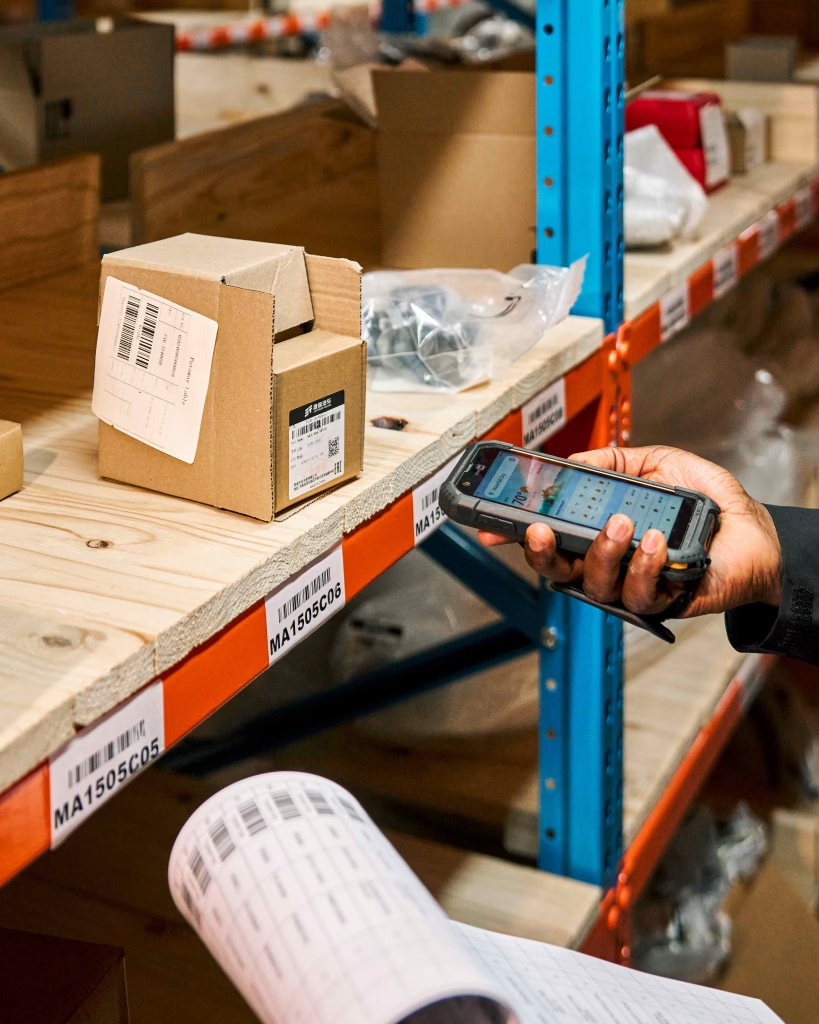
The facility houses thousands of unique product codes across all models currently available, servicing more than 55 dealerships nationwide. With advanced inventory management technology, real-time tracking and an optimised picking and dispatch system, this set up ensures that the right components can be identified, processed and distributed efficiently.
This investment is delivering measurable results, with the 2026 parts fill rate of between 97% and 98% meaning that almost all parts requested by its dealer network could be fulfilled from available stock, reducing the need for back orders and helping to minimise waiting times for customers requiring replacement components.
As Jetour’s local vehicle range and dealer network continue to expand, the company remains focused on scaling its parts inventory and distribution capabilities in line with demand.
“Rather than viewing aftersales as an extension of the vehicle sales process, we consider it an integral part of the ownership experience, one that requires investment, planning and ongoing commitment long before a customer walks into a dealership,” Steynberg says.